Starting College? 5 Money Moves to Make Before the Semester Starts


You're about to have more financial freedom than you've ever had. You're also about to have more ways to spend money than you've ever had. That combination can go really well or really badly, and the difference usually comes down to a few early decisions.
Here's the reality: over 44 million Americans carry a combined $1.833 trillion in student loan debt, and the average borrower takes roughly 20 years to pay it off. You don't need to become a personal finance expert to avoid that. You just need to get a few things right early.
These five moves are simple, and that's the point. The easier they are to stick with, the more likely they'll actually work.
1. Set up a budget you'll actually follow
You've heard this one before. But the trick isn't making a budget. It's making one that's easy enough to use every week without thinking about it.
Start by figuring out one number: your weekly spending limit. Add up what's coming in each month (financial aid, family help, job income, whatever applies), subtract your fixed costs (rent, tuition, phone bill), and divide what's left by four. That's roughly what you can spend per week on food, going out, and everything else.
Transfer that amount into a separate account or card designated for spending. When the balance gets low, you slow down. No spreadsheet required.
If you want to get more granular later, you can. But the budget you actually use beats the detailed one you abandon after two weeks.
2. Start saving, even if the amounts feel tiny
The biggest thing you can do for your savings isn't finding a magic investment. It's just spending less than you have.
A budget helps. So does hunting for student discounts, which are more generous than most people realize. Sites like UNiDAYS aggregate student deals across software, streaming, food, transit, clothing, and more. Those $5 and $10 savings don't feel like much individually, but they compound. A few years of that habit matters more than you'd expect.
3. Be smart about which debt you take on
Some debt in college is hard to avoid. Student loans exist for a reason. But there's a big difference between strategic borrowing and letting debt pile up because you weren't paying attention.
A few things worth doing: apply for every grant and scholarship you can find, even the ones that seem like a long shot. Colleges have a lot of financial aid resources that go underutilized every year. Plan a realistic path to graduate on time, because extra semesters mean extra tuition. And avoid high-interest credit card debt. That's the kind that quietly snowballs while you're focused on midterms.
4. Get a campus job (seriously)
This one does double duty. A part-time campus job covers your personal expenses while building work experience that actually helps after graduation.
A 2019 meta-analysis published in the Journal of Economic Surveys reviewed dozens of studies and found that students who work moderate hours — generally under 15 to 20 hours per week — show no negative impact on their grades or degree completion, and often develop better time management skills and campus engagement.
College is also a great time to try different kinds of work. You might find something you love in an area you never expected. At minimum, you'll have income that isn't borrowed.
5. Get a head start on your credit history
Here's something a lot of students don't think about until it's too late: one of the biggest factors in your credit score is how long you've had credit. The earlier you start, the stronger your foundation is by the time you graduate and need it for an apartment, a car, or anything else that requires a credit check.
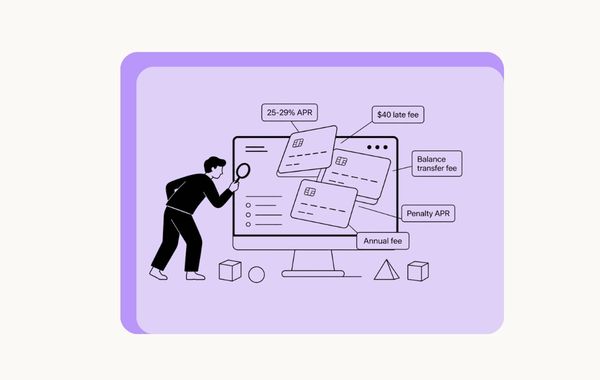
The catch is that getting a traditional credit card as a student is tough. You often have no financial track record, and approval rates can be low. Worse, applying usually means a hard credit inquiry, which can ding your score before you even get started.
That's where a card like Atlas comes in. It's a rewards credit card with 0% APR and no deposit required. There's no credit check and no income requirement, so students can actually get approved. Smart Pay handles your balance automatically — as often as daily — so you're not carrying debt or paying interest. And because Atlas reports to the credit bureaus, your score improves as a natural result of using the card the way you'd use any card: buying groceries, paying subscriptions, covering everyday expenses.
It's not about "building credit" as a project. It's about having a real credit card early, one that works with you instead of against you.
The bottom line
None of these moves are complicated. That's what makes them work. Budget simply, save the small stuff, borrow carefully, earn some income, and get your credit history started with a card that doesn't punish you for being new to this.
The students who come out of college in strong financial shape aren't usually the ones who studied finance. They're the ones who set up a few good habits that collected interest over time.
Apply In Minutes
• Just takes two minutes to apply 3
• 0% APR with limits that grow with you
• No credit history needed
By clicking "Get Started" you opt-in to receive account and marketing messages at the entered number and agree to Atlas' terms of service, mobile terms and privacy policy. Message frequency varies. Message and data rates may apply. You can opt-out at any time by replying STOP, or text HELP for support.


.jpg)

.jpg)